

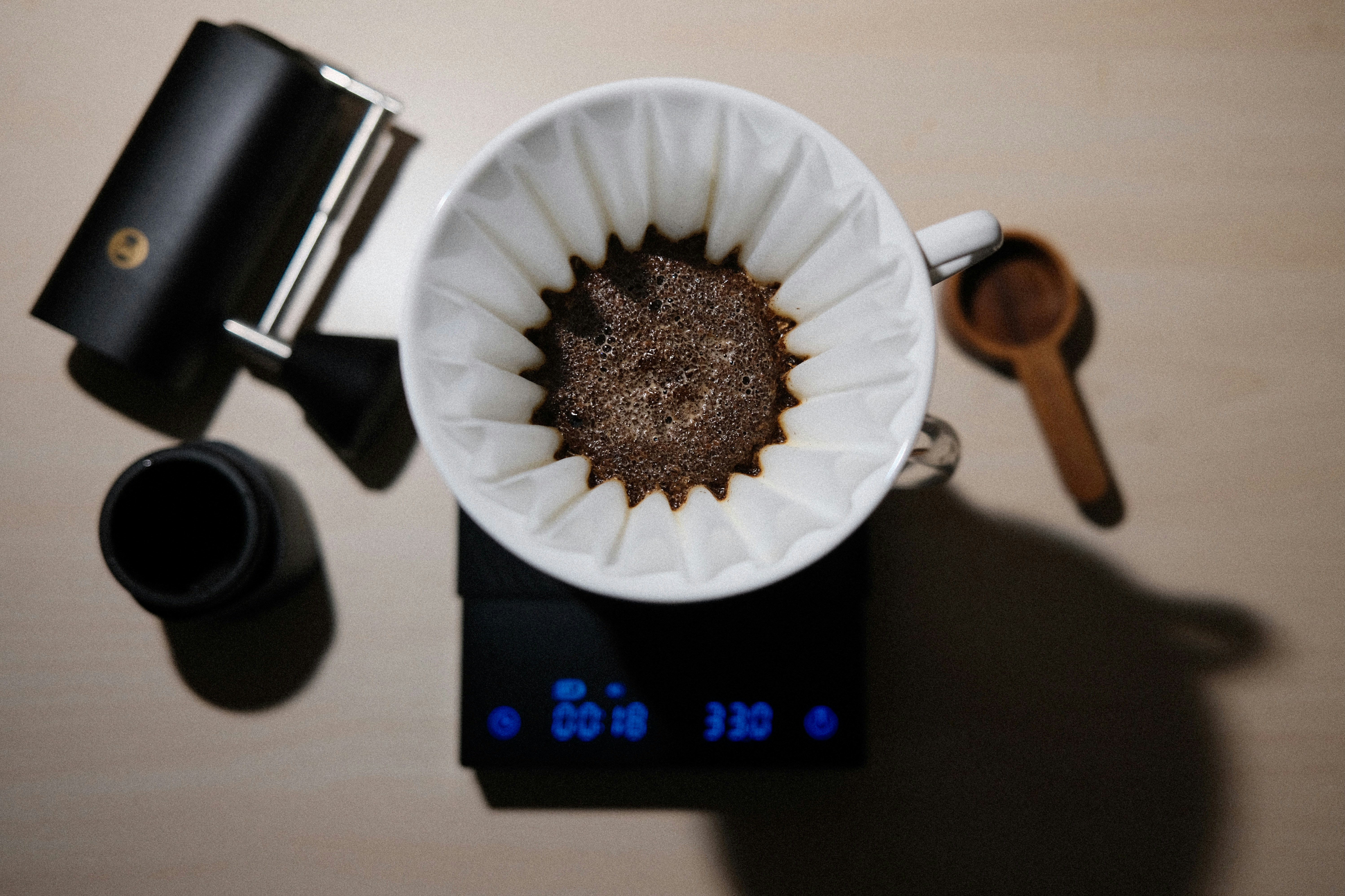
The Coffee Dilemma
Coffee lovers often find themselves facing a significant dilemma when choosing between filter coffee and instant coffee. These two distinct realms of coffee preparation offer diverging experiences, each with their own unique appeal. As society progresses, the preference for filter coffee has gained traction, demanding attention from both casual drinkers and connoisseurs alike. This resurgence can be attributed to filter coffee’s rich tradition, which involves a careful brewing process known to enhance the flavors and aromas inherent in the coffee beans.
On the other hand, instant coffee continues to dominate due to its convenience. With a simple measure of powder and hot water, an instant cup of coffee can be prepared within moments. This simplicity resonates well with individuals leading busy lives, who value efficiency and speed, often at the expense of a richer coffee experience. Given the fast-paced environment many people navigate today, it is no surprise that instant coffee enjoys a substantial following.
However, as coffee culture evolves, many enthusiasts advocate for the “slow brew” method offered by filter coffee. This method not only allows for a deeper, more engaging interaction with the brew process but also accentuates the diverse notes and profiles unique to each type of coffee bean. The act of brewing filter coffee becomes an experience in itself; one that invites appreciation for the craftsmanship involved, as well as the resulting rich and complex flavors.
As we delve deeper into the characteristics of filter coffee and instant coffee, it is crucial to weigh the trade-offs between convenience and artistry. This exploration aims to illuminate the choices available to coffee aficionados, as well as those contemplating which method best suits their palate and lifestyle.
Understanding the Craft: What is Filter Coffee?
Filter coffee is a method of brewing coffee that allows for a more controlled and nuanced extraction of flavors from the coffee beans. It generally involves pouring hot water over ground coffee, which then filters through a medium—be it paper, metal, or fabric. This brewing technique is celebrated for its ability to preserve the distinct characteristics of the coffee, resulting in a cup that is rich in taste and aroma.
There are various methods to brew filter coffee, with pour-over and drip coffee being the most popular. The pour-over method requires the individual to manually control the pouring of water, allowing for a more interactive and observational brewing experience. This method emphasizes the significance of grind size; a medium to medium-coarse grind is usually ideal. On the other hand, drip coffee makers automate the process, ensuring a consistent flow of water over the coffee grounds. Despite this automation, the quality of the final product still heavily relies on the choice of coffee beans and the grind size.
Selecting high-quality coffee beans is crucial, as it impacts not only the flavor profile but also the aroma of the brewed coffee. Specialty beans sourced from reputable growers can elevate the tasting experience, making the selection process an integral part of brewing filter coffee. Additionally, the brewing time plays a pivotal role; too short of a duration can lead to under-extraction, while an excessively long brew can result in over-extraction. Ideally, filter coffee should steep for about 3 to 4 minutes to achieve the best balance of flavor and aroma.
The Instant Coffee Experience
Instant coffee is a type of coffee that is made by brewing coffee beans and then removing the water content, resulting in a dry powder or granules. This process allows for unparalleled convenience, enabling consumers to prepare a cup of coffee quickly by simply adding hot water, which rehydrates the coffee and allows it to dissolve. This time-saving feature is one of the key reasons why instant coffee remains popular, particularly among busy individuals who may not have the time or equipment necessary for traditional brewing methods.
While instant coffee is undeniably convenient, it does come with certain trade-offs in flavor and quality. The brewing method for instant coffee generally involves high temperatures that can compromise the delicate flavor profiles and aromas of the coffee beans. This can lead to a beverage that often lacks the complexity and depth associated with freshly brewed options. Many aficionados argue that instant coffee tends to have a more bitter taste and a thinner mouthfeel, primarily because the extraction process does not capture all the essential oils and soluble compounds found in freshly brewed coffee.
Despite these drawbacks, numerous individuals opt for instant coffee due to its affordability and ease of preparation. In settings where traditional coffee-making equipment is impractical, such as in office environments or during travel, instant coffee provides a reliable caffeine source without the need for elaborate setups. Additionally, for those who prefer a quick energy boost without the nuances of flavor to consider, instant coffee serves as a convenient choice that fits seamlessly into daily routines.
Flavor Profiles: A Taste Comparison
The world of coffee offers a rich tapestry of flavors and aromas, significantly influenced by the method of preparation. When comparing filter coffee and instant coffee, the flavor profiles reveal distinct nuances that can greatly impact the overall drinking experience. Filter coffee, often enjoyed for its craftsmanship, tends to possess a complex and layered flavor spectrum. Brewed slowly, it allows the coffee grounds to release oils and aromatic compounds, resulting in a rich body that can be both smooth and vibrant. The acidity levels can range from bright citric notes to deeper, chocolatey undertones, depending on the origin of the beans used.
In contrast, instant coffee presents a more subdued flavor profile. The process of freeze-drying or spray-drying coffee extracts often strips away some of the delicate aromatic compounds, leading to a flatter taste. Typically, instant coffee has a more uniform flavor, often characterized by a basic, bittersweet profile, with limited complexity. Common notes of caramel and nuttiness may be present but are frequently overshadowed by a somewhat hollow quality.
Aroma plays a crucial role in the overall enjoyment of coffee. Filter coffee generally exhibits a fragrant bouquet, offering an enticing experience right from the moment it’s brewed. The steam wafting from a freshly brewed pot has the capacity to evoke feelings of warmth and comfort, inviting drinkers to indulge in its depth. On the other hand, instant coffee often lacks the same aromatic strength, presenting a more muted scent that does not engage the senses as effectively.
Finally, texture is an important consideration. The mouthfeel of filter coffee tends to be fuller and more satisfying, providing a sensory delight that enhances the encounter. In contrast, instant coffee may feel thinner on the palate and can leave an aftertaste that diverges from the initial flavors. Overall, understanding these differences highlights the unique characteristics of both filter and instant coffee, emphasizing why many coffee enthusiasts advocate for the ‘slow brew’ experience.
The Brewing Ritual: Why It Matters
The process of brewing filter coffee is more than a mere means to obtain a caffeinated beverage; it is often regarded as a cherished ritual that fosters a deeper connection between the coffee drinker and the beverage. This preparation process entails careful attention to detail, from selecting the right type of coffee beans to meticulously measuring out the grounds and timing the pour. Such an intentional approach not only enhances the flavor but also promotes a sense of mindfulness.
Engaging in the brewing ritual encourages individuals to slow down and immerse themselves in the experience. Unlike instant coffee, which can be prepared in seconds, filter coffee demands time and patience. This slow brewing method often transforms the act of making coffee into an engaging experience, allowing drinkers to savor each step. The process can be both meditative and enlightening, granting an opportunity for personal reflection or peaceful moments of solitude.
Furthermore, this slower preparation method allows for a greater appreciation of the coffee’s attributes. As the aromas of the brewing beans waft through the air and the rich colors of the brew develop, the drinker can engage their senses more fully. The gradual release of flavors that happens during the brewing process can elevate the tasting experience, enabling one to appreciate the nuances of different coffee origins and roasts.
Overall, the brewing ritual associated with filter coffee underscores the importance of taking one’s time. It is an invitation to not only make an extraordinary cup of coffee but also to cultivate a mindful approach to life. By prioritizing this slower method of preparation, coffee enthusiasts can enrich their daily routine and develop a stronger appreciation for the art of coffee brewing.
Health Considerations: Which is Healthier?
When evaluating the health implications of filter coffee versus instant coffee, several key factors come into play, including caffeine content, antioxidant levels, and other nutritional aspects that can affect overall well-being.
Filter coffee generally contains a higher caffeine concentration than instant coffee. A standard cup of brewed filter coffee typically provides between 95 to 200 milligrams of caffeine, depending on the brew strength and serving size. In comparison, instant coffee averages about 30 to 90 milligrams of caffeine per serving. This variation in caffeine content may influence individual preferences and tolerances, particularly for those sensitive to caffeine’s stimulating effects.
Another vital component to consider is the presence of antioxidants in both types of coffee. Filter coffee is a rich source of antioxidants, such as chlorogenic acids, which could help reduce oxidative stress in the body. These compounds may contribute to the long-term health benefits associated with coffee consumption, including a potential decreased risk of certain chronic diseases like type 2 diabetes and cardiovascular conditions. Instant coffee, while also containing some antioxidants, often has lower concentrations due to the manufacturing process, which may strip away some beneficial compounds.
Moreover, a crucial distinction lies in the additives often used in instant coffee. Many brands include sugar, artificial flavors, and preservatives, which can detract from its nutritional value. Conversely, filter coffee typically contains no unnecessary additives, allowing consumers to enjoy a more natural beverage.
Ultimately, when considering health aspects, filter coffee tends to offer more potential benefits due to its higher antioxidant levels and caffeine content. However, personal preferences and lifestyle factors will play significant roles in determining which type of coffee is considered healthier for individual consumption.
Environmental Factors: Sustainability of Coffee Choices
As consumers become increasingly aware of the impact of their choices on the environment, the sustainability of coffee production and preparation has come into sharper focus. Brewing methods not only influence the taste of the beverage but also the carbon footprint associated with each cup of coffee. Filter coffee, prepared through a manual process requiring coffee grounds and hot water, often results in lower carbon emissions compared to instant coffee production. The instant coffee manufacturing process is resource-intensive, involving the dehydration of brewed coffee which significantly contributes to greenhouse gas emissions.
Furthermore, the sourcing of coffee beans is a critical aspect affecting sustainability. Many filter coffee enthusiasts prioritize organic and ethically sourced beans, which often promote better farming practices and reduced chemical use. Fair Trade and Rainforest Alliance certifications, for instance, advocate for sustainable farming methods that foster biodiversity and protect local ecosystems. In contrast, instant coffee may utilize lower-grade beans and less stringent sourcing standards, potentially compromising environmental considerations.
In addition to the sourcing of beans, waste production plays a crucial role in assessing the environmental impact of coffee choices. Filter coffee brewing generates coffee grounds, which can be composted or utilized in other culinary applications, reducing overall waste. Conversely, instant coffee production results in packaging waste, primarily from single-serving packets that contribute to environmental degradation. The convenience offered by instant coffee often overlooks the trade-off in terms of sustainability, ultimately raising questions about the true cost of convenience.
Every coffee lover has a choice to make regarding how their brew impacts the planet. By opting for filter coffee, not only can individuals savor a richer flavor, but they also can support a more sustainable coffee culture that prioritizes responsible sourcing and waste reduction. As consumers weigh their options, understanding the environmental landscape of coffee production becomes increasingly essential, underpinning the broader impact of personal consumption choices.
Emotional Connections: Stories Behind Coffee Choices
For many coffee enthusiasts, the choice between filter coffee and instant coffee transcends mere taste; it delves into a realm of personal stories, cherished memories, and emotional connections that make each cup special. Filter coffee, often associated with slow brewing methods, tends to evoke nostalgic reminiscences for individuals who grew up in households where making coffee was a cherished ritual. One aficionado shared how every morning, the aroma of brewing coffee signaled the start of the day in her family home. This sensory experience became intertwined with her upbringing, fostering feelings of warmth and togetherness.
Conversely, instant coffee often signifies convenience and efficiency in our fast-paced lifestyles. A busy professional recounted how instant coffee became her trusted companion during late-night study sessions and tight deadlines. For her, the ability to prepare a quick cup of coffee helped create a sense of control in chaotic moments of life. These anecdotes illustrate how individual choices in coffee align closely with personal experiences and routines, thus enhancing the emotional dimension of the beverage.
The connections we establish with coffee also introduce subtle forms of identity. For some, sipping on filter coffee while sitting at a café represents a lifestyle filled with leisurely moments, where enjoying every sip invites you to pause and appreciate life. Others may find solace in a quick instant coffee break, symbolizing adaptability and the ability to find pleasure in small, fleeting moments. These diverse perspectives showcase how our coffee preferences reflect not only our taste buds but also our identity, memories, and emotional states.
Consequently, whether indulging in filter coffee or embracing the practicality of instant coffee, it is clear that the stories behind our choices facilitate a deeper connection with each cup, imbuing our daily rituals with significant meaning.
Conclusion: The Case for Slow Brew
In the realm of coffee, the comparison between filter coffee and instant coffee ultimately highlights significant distinctions that go beyond mere convenience. Filter coffee offers an enhanced experience centered on taste, health benefits, and the ritualistic enjoyment of brewing. The preparation of filter coffee encourages a deliberate process that not only engages the senses but also benefits the body. Each sip of this aromatic brew is a testament to patience, reflecting the rich flavors and aromatic profiles that instant coffee simply cannot replicate.
The taste of filter coffee is inherently superior, as brewing methods like pour-over or French press extract a fuller range of flavors from the coffee grounds. In contrast, instant coffee is often subjected to processes that strip away many subtle flavor notes, leaving behind a less satisfying experience. Transitioning to filter coffee allows for a greater appreciation of the origin and quality of the beans, making it an enriching endeavor for both casual drinkers and serious aficionados. This journey into the world of flavors can be quite enjoyable and rewarding.
Furthermore, filter coffee is associated with various health benefits, including a lower risk of certain diseases and improved mental alertness, owing to its higher antioxidant content. Incorporating filter coffee into one’s daily routine may lead to healthier lifestyle choices overall. To make this transition from instant to brewed coffee smoother, consider starting with single-serve drip systems or leveraging immersion brewers, which provide ease of use while allowing you to appreciate the craft of coffee making.
Ultimately, the shift towards filter coffee fosters a deeper connection to the beverage, celebrating its nuances and enhancing the overall sensory experience. We invite you to explore the diverse world of slow brew coffee, embracing the flavor and the ritual that comes with each cup, affirming your taste buds deserve nothing less.