

Understanding Filter Kaapi: What Makes it Special?
Filter kaapi, also known as South Indian coffee, holds a prominent place in the cultural tapestry of southern India. This traditional beverage is not merely a drink; it serves as a ritual that fosters hospitality and community. Originating in the southern states, filter kaapi is deeply intertwined with local customs and is often prepared during significant family gatherings and festivals, signifying warmth and togetherness.
The art of making filter kaapi begins with its unique preparation method, which involves the use of a stainless-steel coffee filter. Ground coffee blends, typically a mix of robusta and arabica beans, are combined to create a rich, flavorful base. The brewing process is slow, allowing the water to extract essential oils and flavors from the coffee grounds, resulting in a deep and aromatic beverage. The strength of filter kaapi can be adjusted based on personal preference, often blending hot milk, sugar, and the brewed coffee in a distinct layering.
What sets filter kaapi apart from other coffee preparations is not just its preparation but also the quality of the coffee beans used. The robusta beans provide a bold flavor, while arabica offers a hint of sweetness, creating a perfect harmony. The choice of beans and their precise roasting methods significantly impact the final flavor profile, showcasing a rich variety of taste.
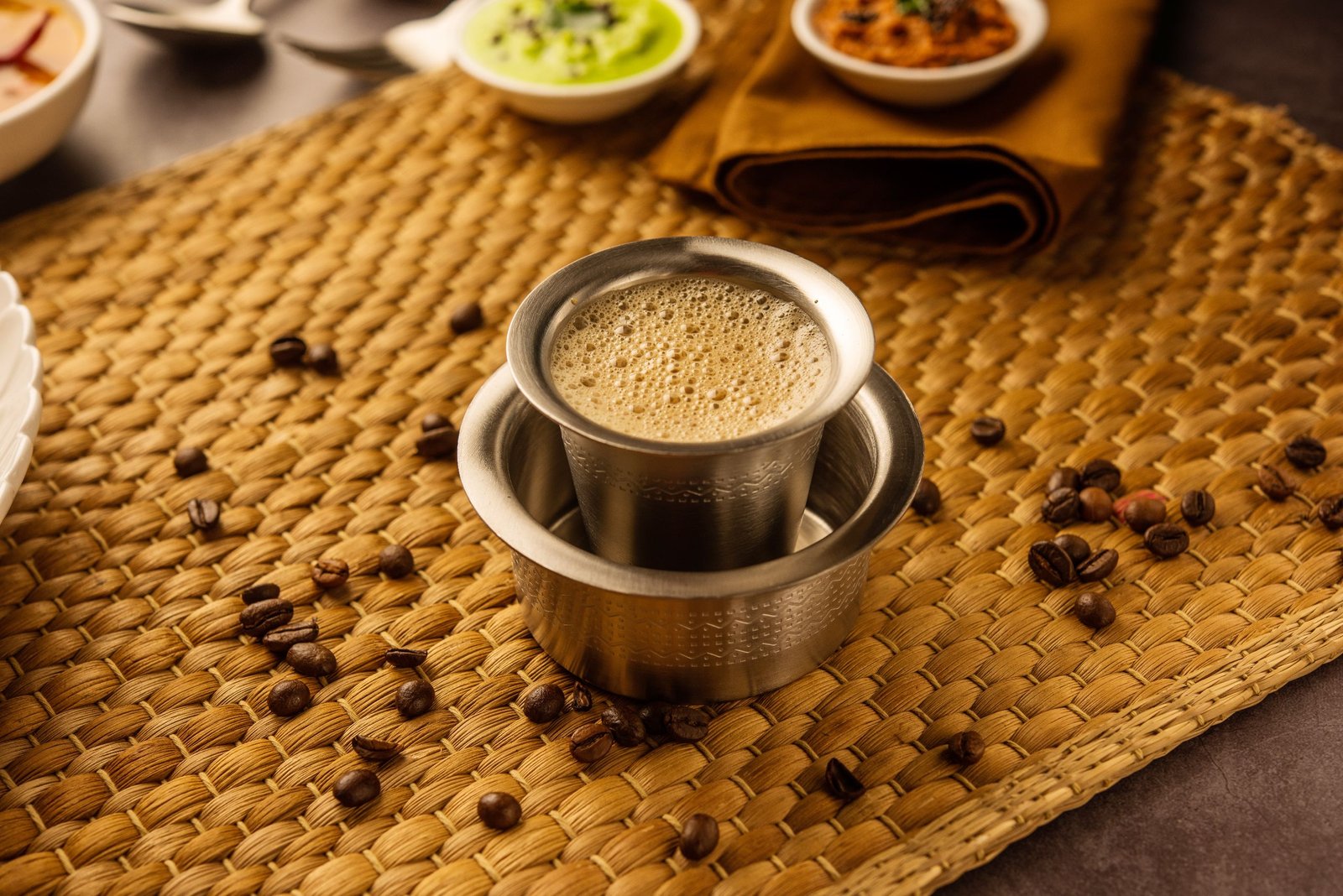
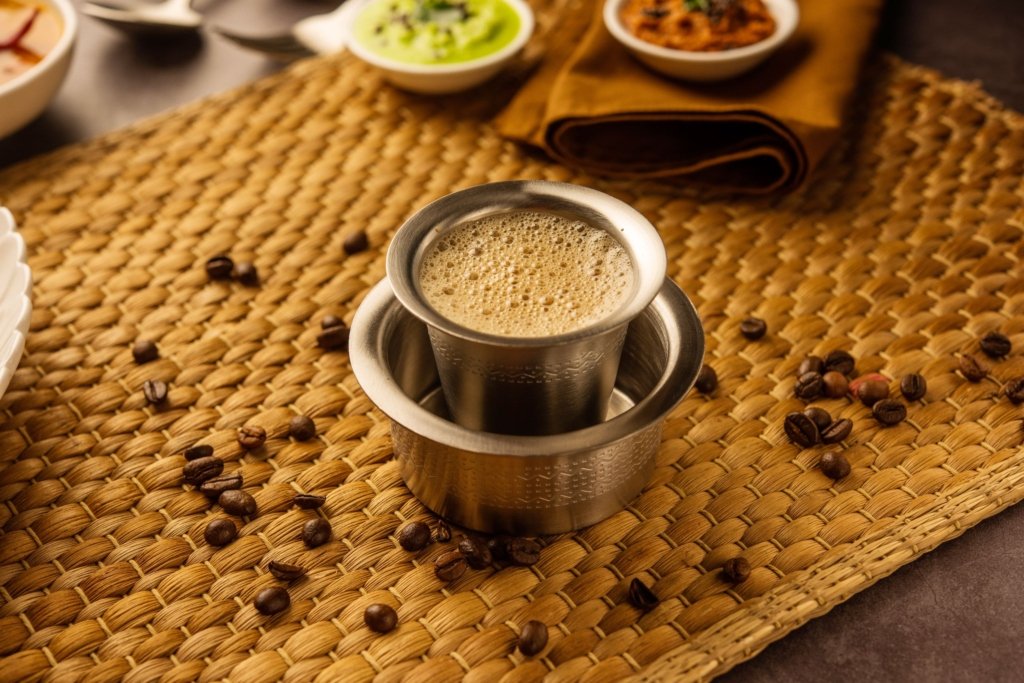
In many households, filter kaapi is a daily ritual, often served in traditional stainless-steel tumbler and davara sets, enhancing the experience. For many, this delightful brew represents more than just caffeine; it encapsulates moments of connection and a heritage that spans generations. As such, filter kaapi can be appreciated not just for its taste, but also for its ability to foster relationships and embody the cultural values of its origin.
Essential Equipment for Brewing Hotel-Style Filter Kaapi at Home
To craft the perfect cup of hotel-style filter kaapi, several essential tools and equipment are indispensable. The most fundamental piece of equipment is a sturdy stainless steel filter, which allows for efficient brewing by enabling the coffee grounds to steep properly. This filter is typically designed with fine mesh to ensure that no residual coffee grounds seep into the final brew, resulting in a smooth and rich texture.
Next, a high-quality coffee grinder is essential for achieving a consistent grind. Coffee beans should be ground to a medium-fine consistency, as this allows for optimal extraction of flavor when brewed. Burr grinders are preferred over blade grinders, as they provide a uniform grind size that is crucial for brewing quality kaapi. The freshness of coffee beans is another pivotal factor; always opt for freshly roasted beans and grind them just before brewing to maximize flavor and aroma.
In addition to the filter and grinder, a milk frother can enhance the coffee experience significantly. A frother incorporates air into the milk, creating a luscious froth that complements the robust flavors of filter kaapi. That soft, creamy layer not only adds to the texture but also balances the strong aroma of the coffee, making every sip pleasurable.
Finally, suitable utensils for serving, such as traditional stainless steel tumblers or bowls, contribute to the authenticity of the experience. These vessels maintain the perfect temperature and align with the traditional aesthetic of kaapi consumption. Together, these essential tools—filter, grinder, frother, and serving utensils—equip you to replicate that rich, frothy hotel-style filter kaapi right in your own home.
Step-by-Step Guide to Brewing Perfect Filter Kaapi
Brewing the perfect filter kaapi at home involves an intricate yet accessible process that combines artistry with precise measurements. Begin by selecting high-quality coffee beans. Traditionally, a blend of Arabica and Robusta is favored for its strong flavor profile. A recommended coffee-to-water ratio is approximately 1:10, meaning using 1 part coffee grounds to 10 parts water. Use around 20 grams of coffee for every 200 ml of water to achieve a balanced taste.
Next, the water temperature plays a crucial role. It is essential to heat water to just below boiling, around 90–95 degrees Celsius, to avoid burning the coffee. With the water heated, place the coffee grounds in your filter and pour the hot water over them slowly. It’s advisable to begin with a gentle pour to allow the grounds to bloom and then continue pouring in a circular motion. Steep the coffee for about 10 to 15 minutes to extract the rich flavors effectively.
While brewing, the type of milk is equally vital for that coveted frothy top. Full-fat milk tends to create a richer froth, whereas low-fat alternatives will yield a lighter texture. If you prefer a plant-based option, oat milk or almond milk can also provide a creamy finish. Heat the milk separately, ideally steaming it to create that velvety mouthfeel. Once the coffee is brewed, mix it with the steamed milk in a 1:3 coffee-to-milk ratio to maintain the intensity of the coffee flavor.
Finally, the art of achieving froth lies in technique. Whisk the coffee and milk mixture vigorously until you achieve a foamy consistency. For a finishing touch, consider adding a sprinkle of cocoa powder or cardamom to elevate the flavor. By following this step-by-step guide, you can master the brewing process and enjoy hotel-style filter kaapi right in the comfort of your home.
Tips and Tricks for Perfecting Your Frothy Filter Kaapi
To achieve the perfect frothy filter kaapi, it is essential to consider the blend and roast of the coffee beans. Experimenting with different coffee blends can significantly enhance the flavor profile of your kaapi. You might find that a mix of robusta and arabica beans provides a rich, aromatic experience. The roasting level also plays a crucial role—lightly roasted beans can yield a brighter flavor, while darker roasts typically produce a bolder, more intense taste. Adjusting grind size is another crucial factor; a finer grind increases the extraction, leading to a stronger brew.
The sweetness level of your kaapi can be tailored to personal preference. Traditional filter kaapi often contains sugar, but alternatives such as jaggery or natural sweeteners can create delightful variations. Experimenting with the sweetness allows you to strike the perfect balance that complements the bitterness of the coffee, enhancing overall enjoyment.
Moreover, the art of frothing is indispensable when gaining that luxurious texture present in hotel-style kaapi. For the best results, using a traditional tumbler to create a frothy pour can be highly effective. The technique involves pouring the hot coffee from one tumbler to another, allowing air to mix in, which can help in creating a foamier texture. Additionally, mastering simple latte art techniques can elevate your kaapi experience. Start by creating basic shapes such as hearts or rosettas, showcasing your frothy kaapi as both a beverage and an art form.
Ultimately, perfecting your filter kaapi is about exploration and personal expression. By fine-tuning the coffee blend, sweetness level, and frothing technique, you cultivate your unique twist on this cherished drink. Embrace these tips to further appreciate the beauty of this traditional beverage and to share its rich flavors with others.