

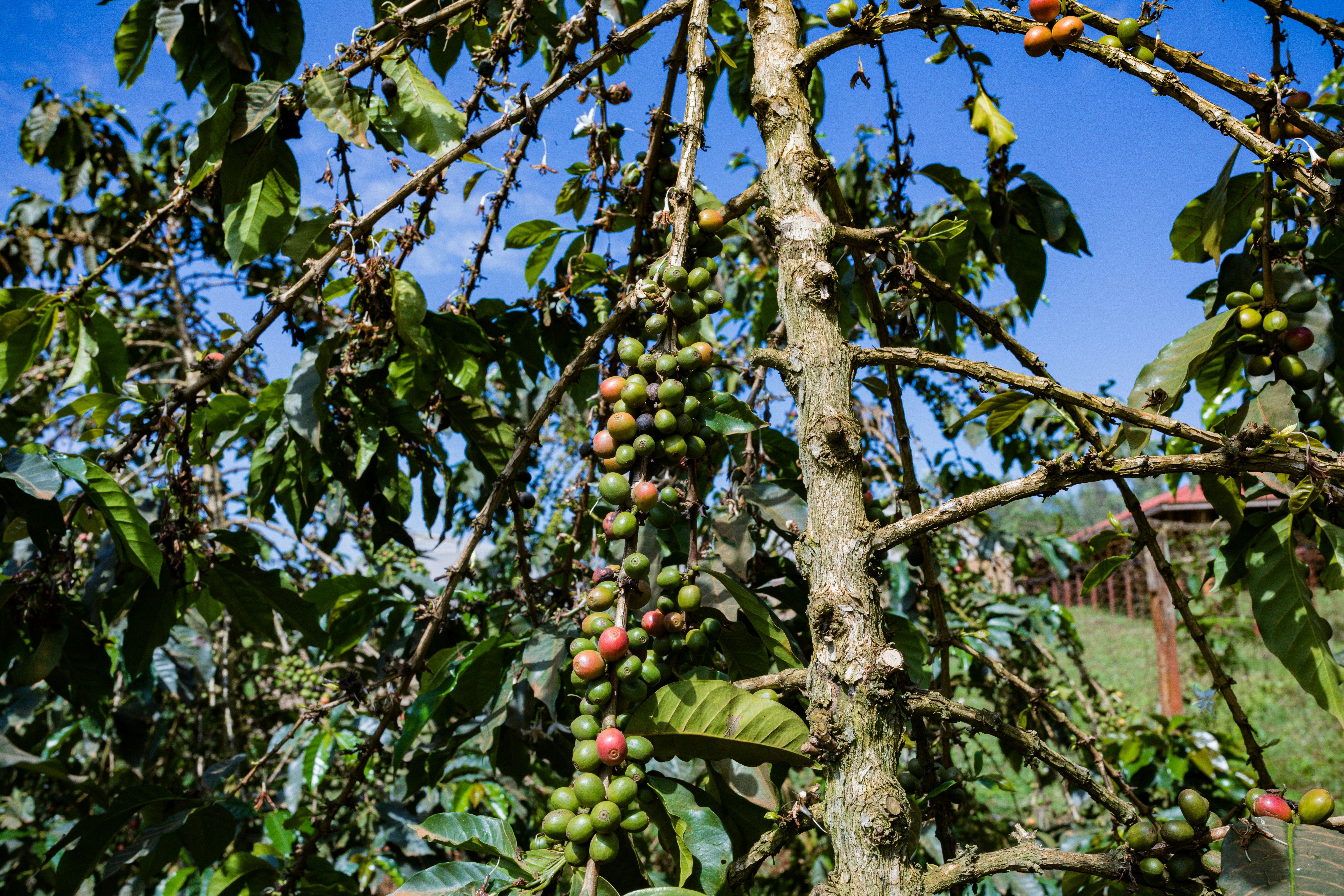
Introduction to Arabica Coffee and Its Popularity
Arabica coffee, known scientifically as Coffea arabica, is revered globally for its superior taste and aromatic properties. This coffee species accounts for approximately 60-70% of the world’s coffee production, appealing particularly to coffee snobs and aficionados who appreciate its delicate flavor profile. Native to the highlands of Ethiopia, Arabica coffee’s journey has seen it cultivated in various regions with different climates and altitudes, leading to diverse flavor characteristics.
The popularity of Arabica lies in its smooth, mild flavor with hints of sweetness and acidity, making it pleasant to the palate. It often exhibits notes of fruit and sugar, complemented by an aroma that can range from floral to nutty. Unlike its counterpart, Robusta, which is known for its strong, bitter taste and higher caffeine content, Arabica is typically considered more refined and complex. This nuanced flavor results from the specific growing conditions it requires, particularly elevation, which plays a critical role in its overall quality.
Higher altitudes contribute significantly to the slow maturation of the coffee cherries, allowing more time for the development of sugars and flavors. Regions above 1,200 meters, such as Colombia, Kenya, and Ethiopia, are renowned for producing some of the finest Arabica beans in the world. It is this emphasis on elevation that makes Arabica coffee distinct and worth exploring, as growers continue to seek the optimal conditions that enhance its naturally occurring flavors. As coffee enthusiasts delve deeper into the world of Arabica, understanding its origins and the importance of factors like elevation becomes essential for appreciating the complexity of their morning brew.
Understanding Elevation in Coffee Cultivation
Elevation, in the context of coffee cultivation, refers to the height above sea level where coffee plants are grown. This characteristic is essential, as it plays a critical role in determining the flavor profile, aroma, and overall quality of the coffee produced. Generally, coffee cultivated at higher elevations (often above 800 meters) tends to develop a more complex flavor profile, attributed to cooler temperatures and specific climatic conditions that enhance the coffee cherries’ metabolic processes.
The influence of elevation on climate conditions cannot be overstated. As one ascends in altitude, temperature typically decreases; this drop can profoundly affect how coffee trees grow and mature. Cooler temperatures slow down the maturation of coffee cherries, allowing them to develop deeper flavors and more nuanced characteristics. Conversely, coffee grown at lower elevations often ripens faster, potentially leading to a loss of flavor complexity.
In addition to temperature, precipitation levels and sunlight exposure also vary with elevation. Higher elevations often receive more rainfall, which is crucial for the coffee plant’s life cycle. Adequate rainfall aids in the healthy growth of the coffee bushes and the development of quality cherries. Furthermore, the intensity and duration of sunlight affect the photosynthesis process, promoting the robust growth of the plants. At higher altitudes, the sunlight is more intense, which can produce beans with higher acidity and distinctive flavor notes.
In summary, understanding elevation in coffee cultivation is critical for both producers and consumers alike, as it impacts not only the growth of the coffee plants but also the flavors that develop in the final cup. The nuances brought about by various altitude ranges create a rich tapestry of coffee experiences that appeal to the discerning palate.
How Elevation Influences Coffee Flavor
The relationship between elevation and coffee flavor is both intricate and significant. As coffee is cultivated at higher altitudes, typically above 1,200 meters, a unique set of environmental conditions comes into play, affecting the growth and development of the coffee cherries. One notable impact of elevation is the temperature: higher altitudes are generally cooler, which leads to a slower maturation process for the cherries. This slow maturation allows for a more prolonged exposure to the sunlight, enabling the coffee beans to develop more complex constituents over time.
When coffee cherries mature more slowly, they tend to produce beans with heightened acidity and diverse flavor notes. The elevation affects not just the chemical makeup of the coffee, but also its aroma and mouthfeel. Coffee from higher altitudes often features bright, fruity notes that are desired among aficionados, contrasting sharply with the more muted flavors characteristic of lower-elevation coffee varieties.
Additionally, higher elevations modify the moisture levels and soil characteristics, which further enhance the nuances in flavor profile. As water evaporates more rapidly in cooler climates, the stress placed on the plants can lead to a more concentrated flavor. This phenomenon is why many specialty coffee producers specifically select high-altitude regions for their plantations, aiming to harness these unique attributes to create distinct coffee profiles.
Ultimately, understanding the role of elevation in coffee cultivation can significantly enhance appreciation for the morning brew. The combination of slower maturation, increased acidity, and enhanced flavor complexity exemplifies how critical elevation is in shaping the unique tasting notes of Arabica coffee. The consideration of altitude thus holds paramount importance for coffee growers and enthusiasts alike, influencing both cultivation practices and consumer choices.
The Science Behind Coffee Plant Growth at Different Elevations
The growth of coffee plants, particularly Arabica coffee, is heavily influenced by the altitude at which they are cultivated. Coffee thrives in tropical climates, and the elevation plays a crucial role in shaping the flavor, aroma, and overall quality of the beans. At higher altitudes, there are specific biological and chemical processes that impact the growth of coffee plants. One of the most significant factors is the temperature variability associated with altitude.
As elevation increases, temperatures generally drop, which slows the maturation process of coffee cherries. This extended ripening period allows more complex flavors to develop, enriching the coffee beans with distinctive characteristics. For instance, beans grown at elevations above 1,200 meters often produce a more acidic and aromatic cup compared to those grown at lower altitudes.
Soil composition is another key factor influencing the growth of Arabica coffee at various elevations. High-altitude regions often feature volcanic or mineral-rich soils, which provide essential nutrients for the plants. The lower temperatures at these elevations help retain moisture in the soil, reducing the risk of drought that can adversely affect bean quality. Moreover, the unique soil profiles contribute to the terroir, offering different flavor notes that are sought after by coffee enthusiasts.
Additionally, the combination of cooler nights and warmer days at higher altitudes leads to increased sugar concentration in the cherries. This sugar is vital for the development of the coffee’s flavor profile once it is roasted. Each of these elements, from temperature variability to soil richness, underscores the importance of elevation in the cultivation of high-quality Arabica coffee.
Regions Known for High-Quality Arabica Coffee
Arabica coffee, known for its smooth flavor and aromatic qualities, thrives particularly well in specific regions across the globe. Notably, regions that are situated at higher elevations tend to produce the highest quality Arabica coffee beans. The unique combination of altitude, climate, and soil conditions plays a pivotal role in shaping the characteristics of the coffee produced in these areas.
One of the most renowned regions for Arabica coffee cultivation is Colombia. The country’s diverse range of elevations, particularly in the Coffee Triangle, allows for the development of a variety of distinct flavors and aromas. Colombian coffee often boasts a mild sweetness, with vibrant acidity and a well-balanced body, making it a favorite among coffee enthusiasts.
Conversely, Ethiopia, often regarded as the birthplace of coffee, is another key player in the high-quality Arabica market. Regions such as Sidamo and Yirgacheffe are celebrated for their exceptional coffee. The unique climate conditions, combined with the high elevations, contribute to bright acidity and complex flavor profiles, with floral and fruit notes often found in Ethiopian coffees.
In Central America, Costa Rica stands out as an important region for Arabica coffee production. The country’s commitment to quality has led to the establishment of strict regulations governing coffee cultivation. High-altitude farms, particularly those in the Central Valley and Tarrazú regions, produce beans that are often characterized by their full body, crisp acidity, and rich flavors, making Costa Rican Arabica coffee highly sought after in the global market.
In conclusion, the significance of elevation in coffee cultivation cannot be overstated. Different regions like Colombia, Ethiopia, and Costa Rica exemplify how altitude and climate can profoundly influence the quality and flavor of Arabica coffee. Understanding these regions helps consumers appreciate the complexities behind their morning cup of coffee.
The Impact of Climate Change on Coffee Elevation
Climate change has brought about significant transformations in agricultural practices, prominently affecting the cultivation of coffee, particularly Arabica. As coffee is primarily grown in high-altitude regions, the elevation at which coffee thrives is being challenged by shifting weather patterns. These changes in temperature and precipitation are altering the delicate balance that Arabica coffee plants require for optimal growth.
Elevation is crucial because it directly influences the climate that shapes the flavor profile of coffee beans. Generally, Arabica coffee flourishes in cooler temperatures, typically between 18°C and 24°C. However, rising global temperatures are pushing these ideal growing conditions to higher altitudes. Regions that were once suitable for coffee cultivation at lower elevations may become less viable, forcing growers to migrate to more elevated terrains. This migration creates a complex scenario as suitable land becomes scarcer, and the environmental conditions of higher altitudes further change due to climate impacts.
Moreover, irregular rainfall patterns resulting from climate change are complicating cultivation practices. Coffee plants require a specific amount of rain throughout the year for optimal growth and harvest. Disruption in these seasonal rain patterns can lead to droughts or excessive wet spells, both of which adversely affect coffee production. Thus, farmers faced with these climatic variables may find it increasingly challenging to maintain the quality and yield of their Arabica coffee.
In addition, coffee pests and diseases are also thriving under changing climatic conditions. The elevation changes may lead to new threats that growers must manage, further complicating the sustainability of coffee production. As the coffee industry adapts to these challenges, it remains imperative to understand how elevation plays a critical role in the future of Arabica coffee cultivation.
Understanding Coffee Certifications and Elevation Indicators
The world of coffee is rich with terminology that indicates quality and origin, particularly when it comes to elevation. Different coffee certifications play a vital role in helping consumers navigate the complexities of coffee purchasing by providing important information related to production standards, traceability, and cultivation altitude. Among the most notable certifications are the Rainforest Alliance, Fair Trade, and Specialty Coffee Association (SCA) standards, each of which reflects a commitment to responsible farming practices and environmental sustainability.
Elevation is a significant factor that affects coffee flavor and quality. Higher altitude areas, typically above 1,200 meters, produce coffee beans that are denser and have more developed flavors. Generally, beans grown at elevation are known to possess heightened acidity, complexity, and a more vibrant flavor profile. When examining coffee packaging, one may encounter terms indicating the growing altitude, such as “high grown,” “strictly high grown,” or elevation measurements listed in meters. These details inform consumers about the conditions under which the beans were cultivated.
Additionally, the term “single origin” often accompanies high-quality coffee, indicating that the beans come from a specific location, often linked to distinct elevation levels. This traceability adds value and allows consumers to support specific farming communities while enjoying coffee that reflects the unique terroir of its origin. It is also worth noting that reputable brands often conduct quality assessments through cupping, a process that evaluates the flavor profile of coffee based on elevation and cultivation methods. By understanding these certifications and indicators, consumers can make informed decisions that align with their preference for quality coffee.
Tips for Choosing the Right Arabica Coffee for Your Taste
Selecting the right Arabica coffee can significantly enhance your coffee drinking experience. One of the primary factors to consider is the elevation at which the beans are grown. Higher elevations, typically found in regions like Colombia and Ethiopia, tend to produce beans that have a more complex flavor profile, often characterized by brighter acidity and a deeper sweetness. Therefore, if you prefer a vibrant cup of coffee, seeking out beans from higher altitudes may be beneficial.
Additionally, it is wise to pay attention to the origin of the coffee beans. Different coffee-growing regions have distinct flavor notes due to variations in climate, soil, and processing methods. For instance, Latin American Arabica coffees are known for their crisp brightness and nuttier undertones, while African varieties often feature fruity and floral characteristics. Reading the labels and understanding the geographical significance can guide you toward the beans that align with your taste preferences.
Furthermore, consider the roast level when choosing Arabica coffee. Light roasts preserve the beans’ unique flavor notes and are more aromatic, which can be ideal if you appreciate sweetness and citrusy flavors. On the other hand, medium to dark roasts introduce a bolder flavor with deeper caramelization, which may suit those who enjoy a robust cup. Trying various roast levels can help you discern your favorites.
Finally, don’t overlook the importance of freshness in coffee selection. Freshly roasted beans are crucial for capturing the full spectrum of flavors. Look for local roasters or specialty coffee shops that emphasize the roast date, ensuring you consume coffee at its peak flavor. By considering these factors—elevation, origin, roast level, and freshness—you will be better equipped to choose Arabica coffee that truly meets your taste preferences.
Conclusion: Elevation’s Role in the Ultimate Coffee Experience
In the world of coffee cultivation, the elevation at which Arabica beans are grown plays a pivotal role in determining the overall quality and flavor profile of the final product. Higher altitudes generally offer cooler climates, which slow down the maturation process of the coffee cherries. This slower growth allows for a greater development of sugars and acids, resulting in a more complex and nuanced flavor profile, which is why many coffee enthusiasts prioritize high-elevation beans in their selections.
Coffee produced from trees grown at elevations above 1,200 meters is often characterized by brighter acidity and a richer taste compared to those cultivated at lower altitudes. Regions such as the highlands of Colombia, Ethiopia, and Costa Rica are renowned for their ability to produce exceptional Arabica coffee due to their favorable growing conditions. Elevation not only influences flavor but also contributes to factors such as aroma and body, which are essential for a well-rounded coffee experience.
When selecting your morning cup, it is essential to consider the impact of elevation. While many factors contribute to the quality of coffee, such as processing methods and bean variety, elevation stands out as a crucial determinant of flavor potential. By being mindful of this factor, coffee lovers can increasingly appreciate the intricate flavors that a well-sourced high-elevation Arabica can offer. Elevation, therefore, should be regarded as a fundamental aspect of your coffee selection process, ensuring a delightful start to each day.