

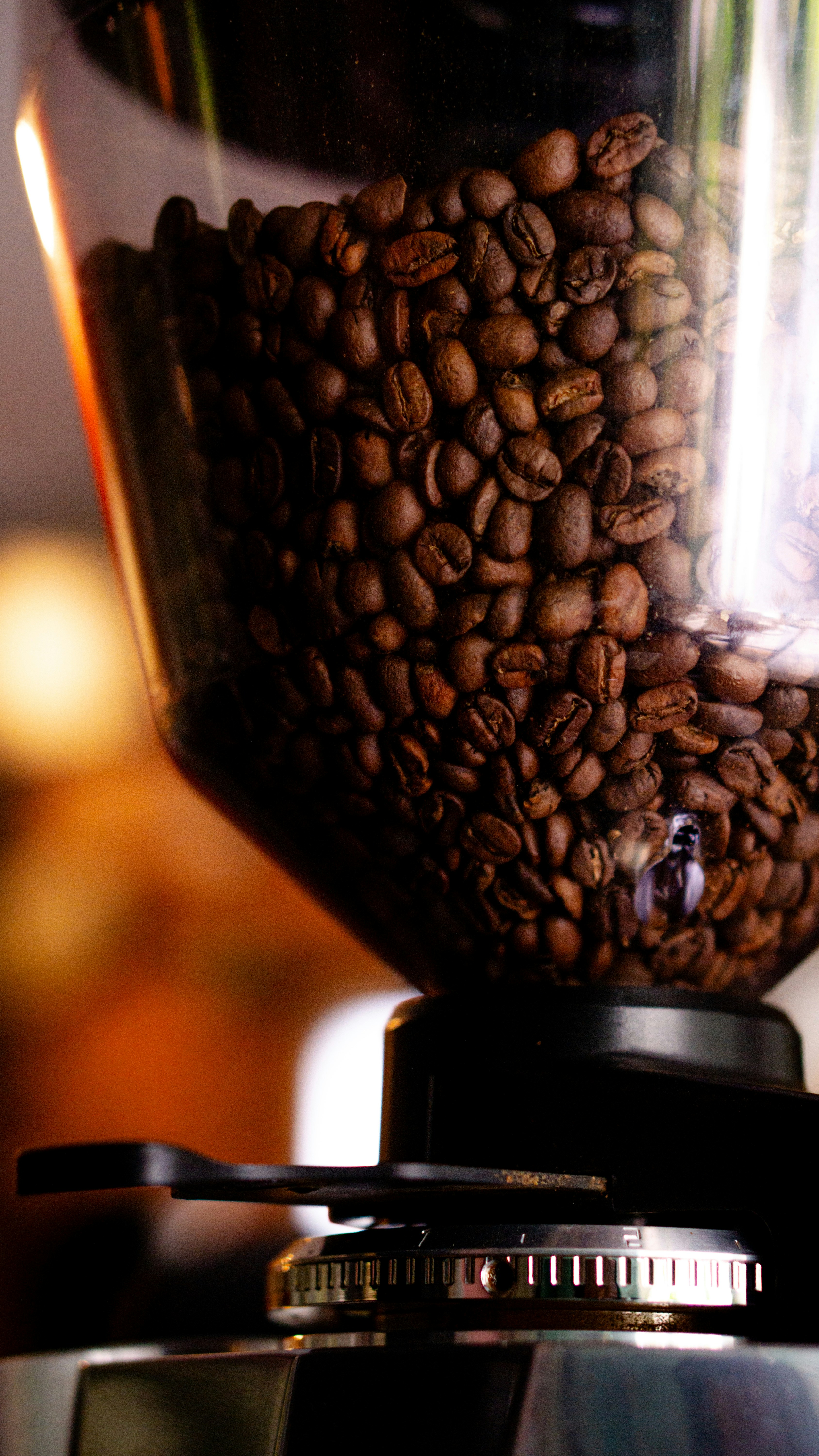
Introduction to Coffee Grinding
Coffee grinding is a fundamental step in the brewing process that directly influences the flavor profile of the final cup. When coffee beans are ground, their surface area increases, allowing for enhanced extraction of flavors during brewing. The size of the grind significantly affects how water interacts with the coffee, determining the speed and effective extraction of soluble compounds. For instance, finely ground coffee allows for rapid extraction, which can produce a bold and intense flavor, whereas coarser grinds permit slower extraction, yielding a milder taste.
The relationship between grind size and extraction is crucial for achieving the desired flavor notes in coffee. Different brewing methods require specific grind sizes to optimize the extraction process. For example, espresso machines necessitate a fine grind to facilitate pressure brewing, while methods like French press or cold brew benefit from coarser grinds to prevent over-extraction and bitter tastes. Consequently, selecting the appropriate grind size not only enhances the flavor but is also key to achieving balance and clarity in the cup.
This section highlights the importance of understanding coffee grinding as a precursor to brewing. The choices made regarding grind size serve as a foundation for the brewing process, influencing subsequent decisions related to water temperature, brew time, and ratio of coffee to water. As we delve deeper into the various grinding techniques and their implications for different brewing methods, it becomes evident that mastering the grind is essential for individuals looking to elevate their coffee experience.
Understanding Grind Size
Grind size is a critical factor in the preparation of coffee, significantly influencing flavor and extraction. Coffee enthusiasts often categorize grind sizes into four primary categories: coarse, medium, fine, and extra-fine. Understanding these distinctions can augment not only the brewing experience but also the resultant taste of the coffee.
Coarse grind resembles sea salt and is the ideal choice for brewing methods that involve longer steeping times, such as French press or cold brew. This larger particle size encourages a slower extraction that allows the natural oils and flavors of the coffee to meld beautifully, resulting in a rich, full-bodied cup perfect for those who enjoy a stronger brew.
Meanwhile, a medium grind, akin to granulated sugar, strikes a balance suitable for brewing methods like drip coffee makers and siphon brewing. This grind size permits a relatively quick extraction, preventing over-extraction which can lead to bitterness, while still allowing essential flavors to shine through.
Fine grind, comparable to table salt, is primarily used for espresso machines, where the pressure and temperature intensity necessitate a swift extraction. The smaller particle size increases the surface area exposed to water, enabling a robust and concentrated extraction that forms the creamy layer we recognize as crema on a shot of espresso.
The extra-fine grind, similar to powdered sugar, is often utilized in Turkish coffee preparation, requiring prolonged simmering and ensuring a nuanced infusion of flavor. Its fine consistency allows for complete extraction, albeit more prone to bitterness if brewed incorrectly.
Each grind size caters to specific brewing methods, underscoring the importance of matching the grind with the brewing technique to achieve the desired flavor profile. Experimenting with various sizes can lead to delightful discoveries and enable coffee enthusiasts to refine their brewing practices.
Brewing Methods Overview
When it comes to brewing coffee, various methods each bring their distinct flavor profiles and characteristics to the cup. Understanding these methods is crucial for selecting the appropriate grind size, as this can significantly impact the extraction process and ultimately, the taste of your brew.
The French press, also known as a press pot or plunger pot, involves steeping coarsely ground coffee in hot water for about four minutes before pressing down a plunger to separate the grounds from the liquid. This method yields a rich, full-bodied cup due to the coffee oils that are retained, giving it a unique mouthfeel.
In contrast, the pour-over technique requires a medium grind size and entails pouring hot water over ground coffee in a filter. With a brewing time of around three to four minutes, this method allows for precise control over the water flow and extraction time, bringing out vibrant flavors and clarity in the final beverage.
Espresso is an intense and concentrated form of coffee produced by forcing hot water through finely ground coffee at high pressure. Typically, a shot takes approximately 25 to 30 seconds to brew, resulting in a rich, creamy beverage known for its balance and complexity. The grind size for espresso must be very fine to ensure optimal extraction.
Lastly, the cold brew method involves steeping coarsely ground coffee in cold water for an extended period, usually 12 to 24 hours. This process produces a smooth, less acidic coffee concentrate that can be diluted with water or milk before consumption. The longer steeping time allows for a different flavor profile than traditional hot brewing methods.
Each of these brewing techniques highlights the importance of grind size, which directly influences the extraction rate and flavor characteristics of the coffee. By understanding the nuances of these methods, coffee enthusiasts can enhance their brewing experience and achieve a more personalized cup.
The Impact of Grind Size on Flavor Extraction
Grind size is a critical factor in coffee brewing that significantly influences flavor extraction. Understanding the science behind extraction can help coffee enthusiasts achieve optimal flavor in each cup. When coffee beans are ground, their surface area increases, allowing for more rapid interaction with water. This interaction is essential for extracting flavors, oils, and compounds necessary for a well-balanced brew.
Different grind sizes lead to varying rates of extraction. A finer grind, such as that used in espresso preparation, increases the surface area and facilitates quicker extraction. This results in a richer, fuller-bodied coffee with pronounced flavors and aromatic compounds. However, if the grind is too fine, it can lead to over-extraction. This occurs when undesirable flavors are drawn from the coffee grounds, producing bitterness and astringency, ultimately compromising the taste experience.
Conversely, a coarser grind is often used for methods like French press or cold brew. In these cases, the larger particles extract flavor more slowly, which can result in under-extraction if the brewing time is not adjusted accordingly. Under-extracted coffee may taste sour or weak, lacking the desired depth of flavor. The balance between grind size and brewing time is crucial; for example, a 30-second brew with a coarse grind may yield less flavor than a fine grind, despite the same amount of coffee beans used.
In summary, the relationship between grind size and flavor extraction is fundamental to brewing coffee. Different brewing methods require specific grind sizes to achieve the intended flavor profile. By paying attention to grind size, coffee drinkers can enhance their experience and enjoy a more complex cup, highlighting the beauty of this beloved beverage.
Choosing the Right Grind Size for Your Brewing Method
Selecting the appropriate grind size is essential for optimizing the extraction of flavors during the coffee brewing process. Different brewing methods necessitate specific grind sizes to ensure that the coffee grounds release their flavors efficiently while avoiding overly bitter or weak brews.
For methods such as French press, a coarse grind is ideal. The larger particles allow for a slower extraction process, which is crucial given the immersion brewing technique employed in this method. Coarse ground coffee typically has a gritty texture, which helps to prevent over-extraction during the steeping period and results in a fuller-bodied cup of coffee.
When it comes to drip brewing, a medium grind is recommended. This grind size resembles granulated sugar and is perfect for the quick extraction times associated with drip coffee makers. Medium ground coffee can maximize flavor extraction while ensuring that the brew does not taste overly bitter or sour.
For espresso preparation, a fine grind is necessary. The fine particles create a greater surface area, which allows for rapid extraction as high-pressure water passes through the coffee grounds. This optimal grind size is crucial for producing a rich and concentrated shot of espresso, resulting in a robust flavor profile and a pleasing crema.
Pour-over methods, like the V60 or Chemex, benefit from a medium-fine grind. This size strikes a balance between flavor extraction and brewing speed, allowing for an even and controlled flow of water through the grounds. Achieving a perfect pour-over cup involves testing various grind sizes to determine the ideal one based on the specific coffee beans used.
In conclusion, understanding the nuances of grind sizes based on your chosen brewing method can elevate your coffee experience. Experimenting with different textures will lead to the discovery of tailored flavors and aromas that best suit your palate.
Common Mistakes to Avoid
When it comes to brewing the perfect cup of coffee, the grind size plays a pivotal role. However, many coffee drinkers fall prey to common pitfalls that can hinder their coffee experience. A frequent mistake is using the wrong grind size for a specific brewing method. For instance, employing a coarse grind for espresso will yield under-extracted, sour flavors, while a fine grind for a French press can result in an overly bitter cup. To achieve the ideal extraction, it is crucial to match the grind size to the brewing method you choose, ensuring that the flavor compounds are properly extracted based on the brewing time.
Another prevalent issue is neglecting the freshness of coffee grounds. Coffee beans start losing their aromatic oils and flavor compounds shortly after grinding, making it essential to grind only what is necessary for immediate use. Many coffee enthusiasts often grind a large amount in advance, only to be disappointed by stale-tasting coffee when they brew. To sidestep this mistake, aim to grind your beans just before brewing, preserving the full spectrum of flavors.
Additionally, many coffee drinkers overlook the importance of consistency in grind size. Inconsistent grinds can lead to varied extraction rates, resulting in a cup that is neither balanced nor pleasing. Utilizing a burr grinder, rather than a blade grinder, can significantly improve the uniformity of the grind, helping to achieve a more enjoyable coffee experience overall. Small changes in your grinding habits can have substantial effects on the final taste of your brew, so being mindful of these common mistakes will enhance your coffee journey.
Tools for Grinding Coffee
When it comes to grinding coffee, choosing the right tool is vital, as it can significantly impact the flavor and quality of your brew. Various tools are available in the market, and they can be broadly categorized into three types: blade grinders, burr grinders, and manual grinders.
Blade grinders are the most common and cost-effective option. They use a spinning blade to chop the coffee beans into smaller pieces. While blade grinders are affordable and easy to use, they tend to produce an inconsistent grind, which can affect the extraction process. This inconsistency arises from the fact that some beans are ground finer than others, leading to varied taste in the final cup.
Burr grinders, on the other hand, offer superior grind consistency. They operate using two revolving abrasive surfaces that crush the beans evenly. This uniformity results in a more consistent extraction during brewing, enhancing the overall flavor profile. Burr grinders tend to be more expensive than blade grinders and can come in either manual or electric versions. Depending on your preferences, the higher initial investment may be worthwhile due to the improved taste and experience.
For those who enjoy the ritual of coffee preparation, manual grinders present a charming alternative. These grinders require physical effort, as they rely on hand-cranking to grind the beans. While they often offer good grind consistency and are inexpensive, they can be time-consuming and may not be suitable for those with a busy lifestyle. Additionally, the quality of the grind may vary depending on the skill of the user.
In choosing a grinding tool, it is essential to consider your individual needs and preferences. Factors such as budget, the desired grind consistency, and the convenience of use should guide your decision, ensuring that you select the right method to enhance your coffee brewing experience.
Maintaining Your Grinder
To achieve an optimal grinding experience, regular maintenance of your coffee grinder is essential. The grinder’s performance directly impacts the quality of your brew, and ensuring it is well maintained helps to preserve the integrity of the grind size. One of the primary maintenance tasks is cleaning the grinder frequently. Coffee grounds can accumulate oils and residues, which, over time, can alter the flavor of your coffee and may lead to inconsistent grind sizes. A simple approach involves wiping down the grinder’s exterior and removing any grounds left in the hopper or burrs after each use.
In addition to regular cleaning, calibrating your grinder is another vital step. This process involves adjusting the grinder’s settings to achieve the desired grind size suitable for your specific brewing method. Whether you prefer a fine grind for espresso or a coarser texture for French press, maintaining an accurate calibration ensures that you consistently produce the best flavor extraction. It is advisable to check and adjust the calibration at intervals, especially if you notice a change in coffee quality.
Furthermore, it is crucial to inspect your grinder for wear and tear. Over time, the burrs may dull, affecting the uniformity of the grind. Periodically examining these components can help you identify when it is time for replacement. Using a grinder with worn-out burrs can lead to uneven grind size, which may compromise the brewing process. Adopting these maintenance practices, including regular cleaning, calibration, and wearable parts checks, will enhance your grinding experience, ensuring your coffee retains its intended flavors and aroma.
Conclusion: The Perfect Grind Awaits
In the world of coffee, the grind size plays a pivotal role in determining the flavor and overall experience of your brew. Regardless of the brewing method you choose, whether it be a French press, espresso, or pour-over, the right grind texture is fundamental to unlocking the full potential of your coffee beans. A finer grind is ideal for quick extraction methods like espresso, while a coarser grind is better suited for longer brewing processes such as cold brew.
It is essential for coffee enthusiasts to recognize that experimenting with different grind sizes can dramatically influence your daily cup of coffee. By adjusting the grind, one can explore the nuances of various coffee types, unveiling new and exciting flavor profiles. Therefore, it is imperative not to shy away from trying different combinations of grind sizes and brewing techniques to find what best resonates with your palate.
As you embark on this exploration, remember that there is no one-size-fits-all answer; each coffee lover’s preferences are unique. Taking the time to adjust your grind size and reflect on the results can be an incredibly rewarding process. You may discover flavors and aromas that were previously hidden, leading to a richer, more satisfying coffee experience.
Ultimately, the journey of coffee exploration is a personal and enjoyable one. Embrace the learning curve, savor the moments of discovery, and most importantly, enjoy each cup as you refine your technique. The perfect grind awaits you—so grab your grinder and start experimenting!